Translation Disclaimer
Unless noted otherwise, ELAW’s Spanish- and French-language web pages have been automatically translated by Google Translate.

The magnificent tapestry of life on Earth—our planet’s biodiversity—is facing unprecedented threats. From the tiniest microbes to the largest whales, the incredible variety of species and ecosystems that sustain us is diminishing at an alarming rate.
According to the International Union for Conservation of Nature (IUCN) Red List of Threatened Species, more than 48,600 species are currently threatened with extinction, including 41% of all amphibians and 26% of all mammals. This loss isn’t just an ecological tragedy; it directly undermines the stability of our climate, the security of our food and water supplies, and the well-being of every community worldwide. The root causes of this crisis, including habitat destruction, pollution, and climate change, require urgent action.
ELAW recognizes that merely treating the symptoms is not enough. We are committed to tackling the root causes by improving legal frameworks that protect ecosystems and ensuring environmental and human rights laws are enforced so that we safeguard our natural heritage for generations to come. Read on to learn how your support is helping ELAW defend biodiversity.
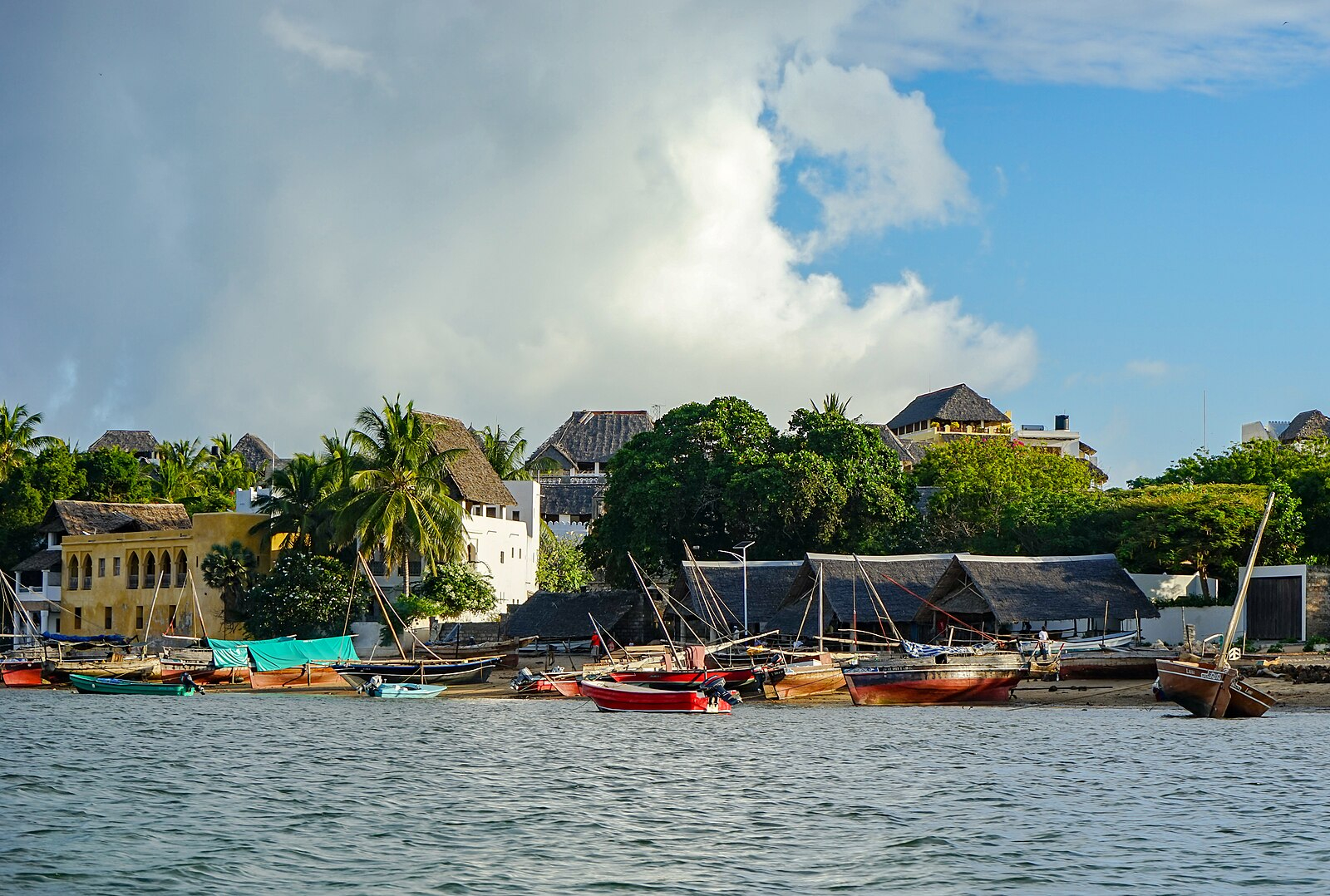
Preserving Biodiversity and Cultural Heritage in Lamu, Kenya
In November, Kenya’s Environment and Land Court upheld a 2019 ruling revoking the license for a 1,050-megawatt coal-fired power plant proposed for Kwasasi in Lamu County, Kenya, an area north of the coastal town of Lamu, a UNESCO World Heritage Site. The plant would have been situated near Manda Bay. Beyond Lamu’s extraordinary cultural heritage, the area is rich in biodiversity within both the marine and terrestrial ecosystems. The local marine ecosystem boasts coral reefs, seagrasses, and mangrove forests. The area is home to sea turtles, dugongs, and other aquatic life. The intact coastal ecosystem provides communities with essential protection from storms and sustains the livelihoods of fishermen who bring home lobsters, prawns, crabs, and fish.
The area is a shining example of how traditional knowledge and methods of natural resource management have stewarded a biodiversity hotspot that has supported Indigenous communities for 700 years. This ruling honors the leadership and vision of communities in and near Lamu who fought for more than a decade to protect cultural heritage and vital ecosystems from careless and short-sighted investments in dirty energy.
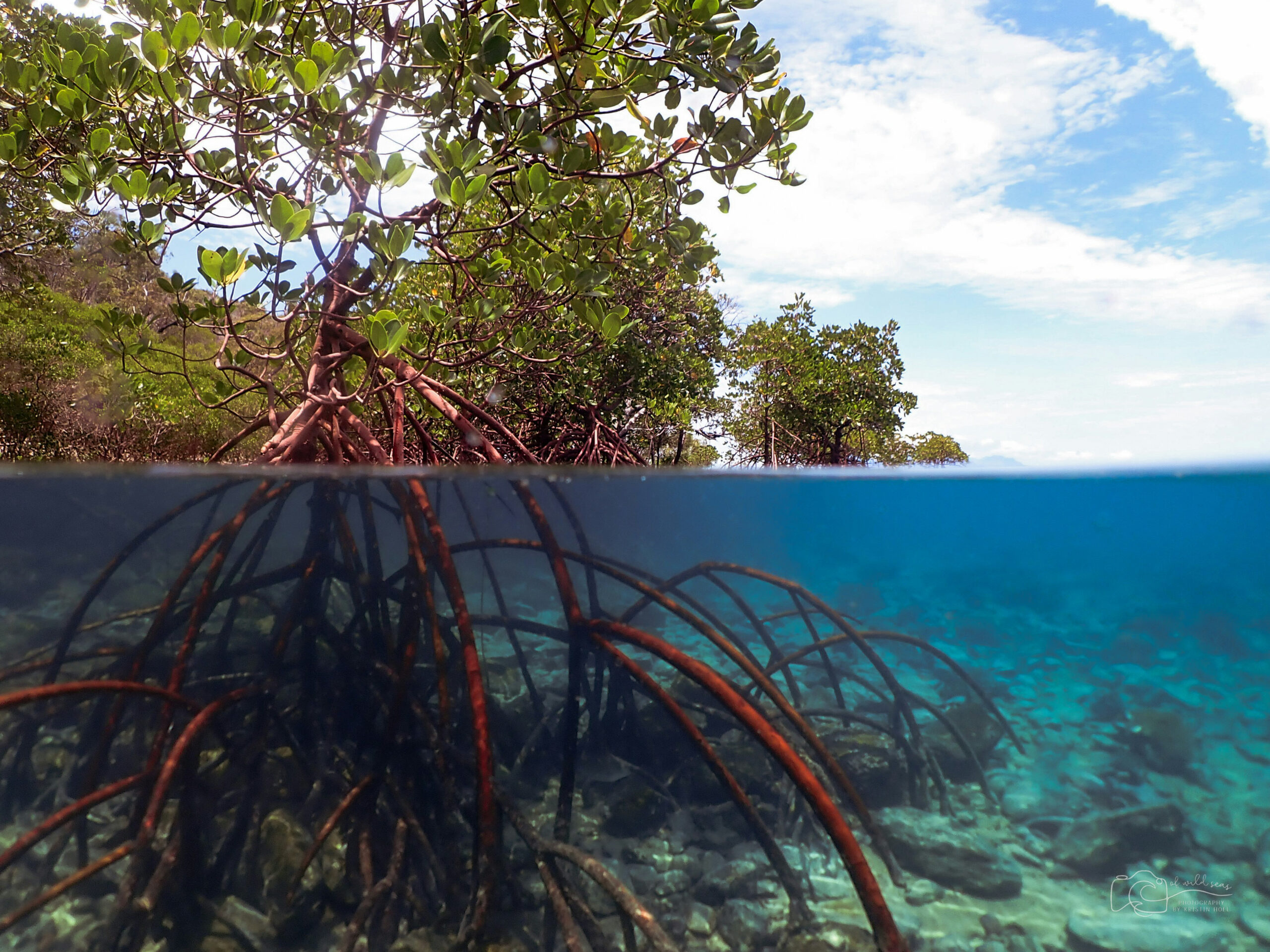
The Cost of Destroying Mangroves
Dr. Megan Egler, ELAW Ecological Economist, is working with partners in Mexico to establish the cost of short-sighted development projects that are demolishing critical mangroves. Despite their immense value around the world, mangroves remain among the planet’s most threatened ecosystems. Conservative global estimates of the economic value of mangrove forests are currently around $13,900 per hectare per year. Mexico has recorded a decline of 44,788 hectares of mangrove forest since 1996, already amounting to more than $622 million in lost benefits each year, including benefits from coastal protection, climate regulation, fisheries, and tourism.
These monetary estimates exclude many immeasurable cultural and relational benefits, including spiritual meaning, identity, traditional knowledge, social cohesion, and the well-being that communities derive from living alongside mangrove ecosystems. ELAW partners in other coastal areas will benefit from this analysis as they fight to defend mangroves that buffer communities from worsening storms, support food security and sovereignty, and provide vital habitat for many species.
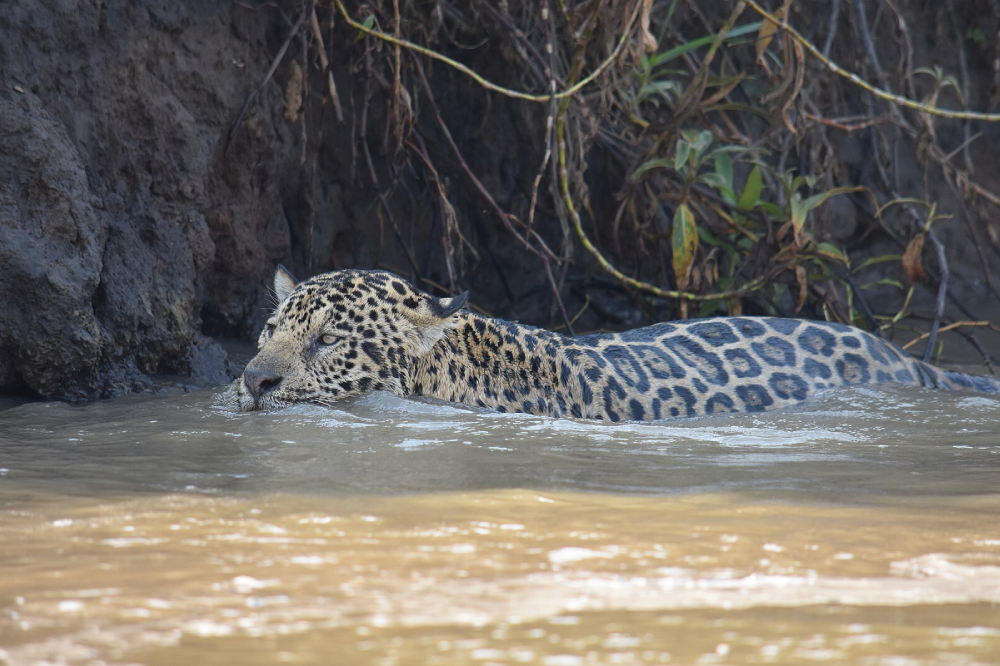
Court Halts Fossil Fuel Development in Peruvian Amazon
Bahuaja-Sonene National Park in the Peruvian Amazon encompasses more than one million hectares of pristine tropical rainforest. Since 2024, this sanctuary of flora and fauna and its unique tropical grassland ecosystem—Pampas del Heath—has been threatened by government plans to permit oil and gas exploration.
ELAW partners are celebrating an October court decision that halted those plans and reaffirmed the park’s protected status. The ruling is a milestone in Peru’s environmental jurisprudence, and it reinforces the State’s obligation to prevent damage before it occurs.

Defending Protected Areas in Nepal
This year, we celebrated with partners in Nepal when the Supreme Court affirmed their arguments that a draft amendment opening national parks to infrastructure projects—such as hydropower, hotels, and railway lines—was unconstitutional.
Lawyers with the Prakash Mani Sharma Academy for Public Interest Law have been challenging projects proposed for protected areas for many years. This draft law posed a new threat to all protected areas in Nepal, which provide critical habitat for endangered species, including the Ganges river dolphin, snow leopard, Bengal tiger, one-horned rhino, and numerous birds.
ELAW lawyers provided court decisions from other countries to respond to new arguments raised by the government lawyers. ELAW scientists provided information about the likely impacts of dams on biodiversity to strengthen the case. Finally, lawyers from Austria and India shared their experiences and provided legal support through the ELAW network.
New Connections Focused on Biodiversity
This year, we forged new connections with five environmental lawyers working to protect biodiversity in Egypt, Mexico, Senegal, and across South America. Their projects include challenging illegal construction in national parks, defending UNESCO biosphere reserves, and helping communities fight open-pit mines that would poison freshwater, coastal dunes, and mangroves.
This Giving Tuesday, we hope you will consider making a gift to bolster our work with inspiring advocates fighting for on-the-ground change that will preserve the incredible diversity of life on Earth for generations to come.
Sincerely,

Dr. Lalanath de Silva
Executive Director
Environmental Law Alliance Worldwide
Photo captions and credits:
Lamu, Kenya. By Nina R on Flickr.
Mangroves. By Kristen Hoel on Unsplash.
Jaguar. By Mark Bolnik on Wikimedia.
Petitioners, lawyers, and experts after pleading the case, including Biswa Nath Upreti, the Founding Director General of the Department of National Park and Wildlife Conservation (center, in blue), and Prakash Mani Sharma (to his right) and Sanjay Adhikari (in black hat and white pants) from the Prakash Mani Sharma Academy for Public Interest Law.
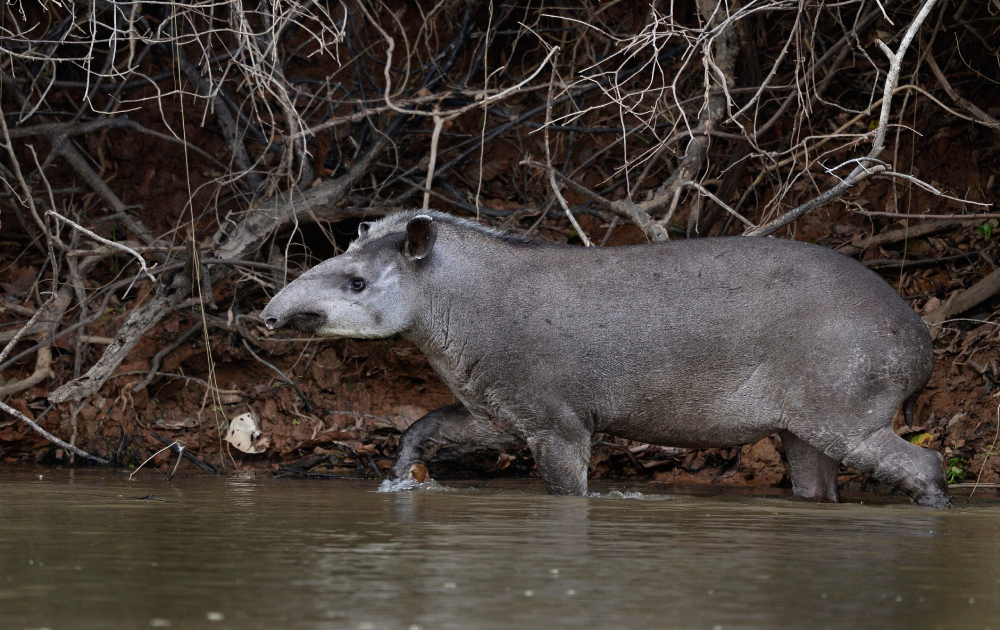
Pantanal tapir: By Wolves201 on Wikimedia.